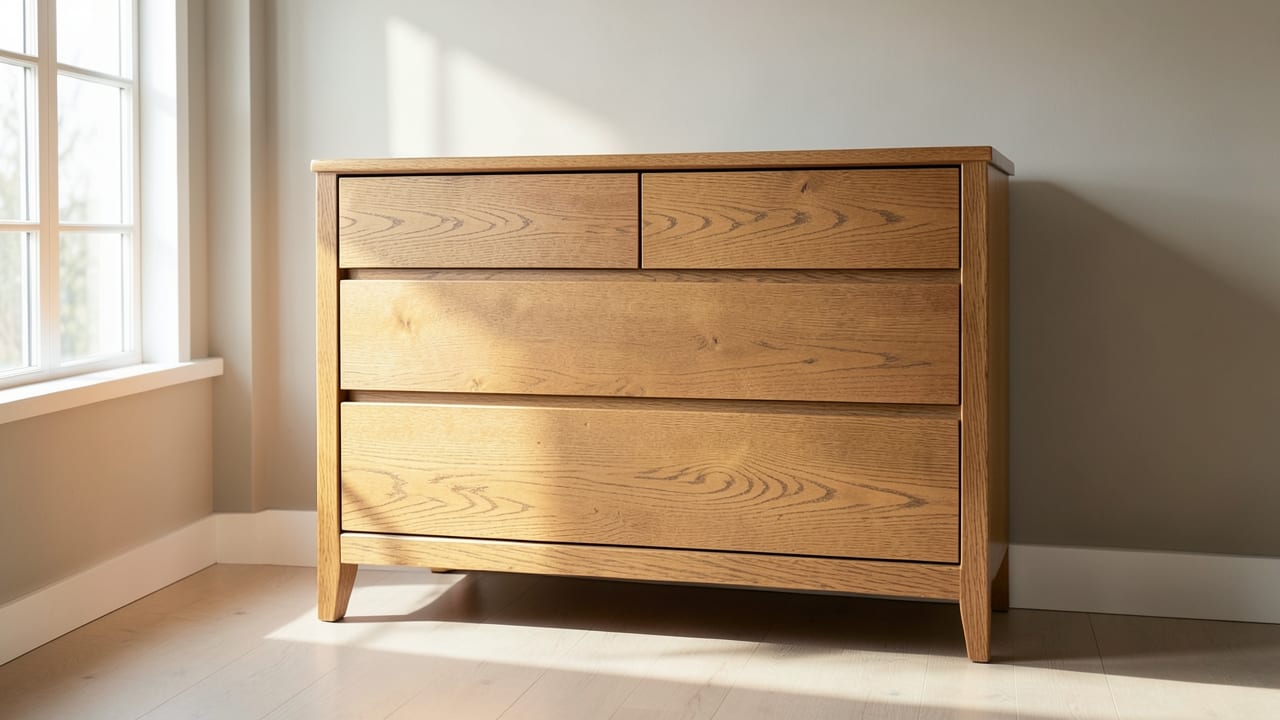
Wood Furniture Mold Remediation
Professional removal and treatment of mold from wood furniture to restore safety and appearance.
Wood furniture mold remediation in Agoura Hills addresses hidden mold growth in porous surfaces like wood, which can release spores and degrade materials over time. Unlike surface cleaning, this process involves containment, targeted treatment, and moisture control to prevent recurrence while preserving your furniture’s structural integrity.
Proper techniques ensure spores are captured and removed safely, rather than spreading to unaffected areas of your home.
We also handle Stairwell Mold Remediation and Balcony Mold Cleanup for Agoura Hills properties.
When to call for wood furniture mold remediation
Mold on wood furniture often starts small but can spread quickly if moisture remains. Look for visible dark spots, a musty odor, or recurring growth after cleaning. If the affected area exceeds 25 square feet or mold keeps returning, it’s time for professional intervention.
Hidden mold—behind upholstery, inside drawers, or under cushions—also signals a need for expert assessment and treatment.
A lingering damp smell, even without visible mold, can indicate hidden growth. Poor airflow in closets, windowless rooms, or basements creates ideal conditions for mold to thrive.
If you’ve already tried cleaning and the problem persists, professional remediation is the next step to address both the mold and the underlying moisture issue.
Signs You Need Professional Remediation
- Mold covers more than a small, isolated patch (25+ square feet).
- Growth returns after cleaning, even in the same spot.
- A musty smell persists with no visible mold in the room.
- The furniture feels damp or soft to the touch, indicating deep moisture absorption.
- Mold appears in multiple pieces of wood furniture or in hidden areas (drawers, behind cushions).
What affects pricing and timeline
Pricing for wood furniture mold remediation in Agoura Hills depends on the scope of the project, including the number of pieces affected, the extent of mold growth, and whether additional treatments—like refinishing or reupholstering—are needed.
Specialty work, such as treating antique or heirloom furniture, may require extra care and time, impacting costs.
The timeline varies based on containment setup, drying requirements, and clearance testing. Larger jobs or hidden mold behind walls or under flooring extend the process. A thorough inspection and moisture source assessment are critical to avoid recurring issues and ensure the work is completed efficiently.
Containment and safety measures
Containment is the first step in wood furniture mold remediation. Plastic sheeting and negative-air machines seal off the work area to prevent spores from spreading to other parts of your home.
This step is critical, as disturbing mold without containment can turn a small job into a larger, more costly problem.
HEPA-filtered air scrubbers and vacuums are used throughout the process to capture spores that become airborne during removal. Standard shop vacuums or non-HEPA filters release spores back into the air, undermining the entire effort.
Structural drying with industrial dehumidifiers ensures moisture levels return to normal before the area is closed up.
Skipping containment or using non-HEPA equipment can spread spores to unaffected areas, increasing the risk of regrowth and requiring additional work.
How wood furniture mold remediation works
- 1Containment Setup
Plastic sheeting and negative-air machines seal the work area to isolate spores. This prevents cross-contamination while the furniture is being treated.
- 2Mold Removal and Treatment
Affected wood surfaces are cleaned with antimicrobial solutions to kill mold and inhibit regrowth. Porous materials that cannot be fully restored are removed and disposed of properly.
- 3HEPA Filtration and Drying
HEPA vacuums and air scrubbers capture airborne spores during the process. Industrial dehumidifiers dry the area to prevent lingering moisture, which can fuel future growth.
- 4Clearance Testing
An independent lab tests the area post-remediation to confirm spore levels are within normal ranges. This step ensures the work meets safety standards before containment is removed.
- 5Moisture Source Assessment
The crew identifies and addresses the underlying cause of the mold, such as leaks, poor ventilation, or humidity issues, to help prevent recurrence.
Frequently asked questions
Can wood furniture be fully restored after mold exposure?
Restoration depends on the extent of the mold damage. Surface-level growth can often be treated and refinished, but deep absorption may require professional refinishing or reupholstering. A thorough inspection determines the best approach for your pieces.
How long does the remediation process take?
Timelines vary based on the scope, but containment, drying, and testing can take anywhere from a few days to over a week for larger jobs. Hidden mold or structural issues may extend the process further.
Will my furniture look the same after treatment?
Professional remediation aims to restore furniture to its original appearance as much as possible. Some pieces may require refinishing or touch-ups, but the goal is to preserve their integrity while eliminating mold.
Do I need to leave my home during the process?
You may need to relocate to another part of your home during containment, especially if the affected area is large or spores are highly concentrated. The crew will advise you on safety measures to follow.
Where Agoura Hills sits, and what the Census lists nearby
Agoura Hills sits in California, and the closest places listed in the U.S. Census Gazetteer are Oak Park (2.5 miles north), Westlake Village (3.2 miles west), Calabasas (5.7 miles east), Hidden Hills (6 miles east).
Within 25 miles of Agoura Hills the same source lists 35 distinct incorporated places and census-designated places.
Those figures matter for wood furniture mold remediation because they are straight-line distances between Census coordinate points: road mileage between Agoura Hills and Oak Park runs longer than the 2.5 miles shown, which is why quotes for the same job differ between towns that look close together on a map.
Source: U.S. Census Bureau Gazetteer.
See Piru, CA for more, or find out about our full crew's Agoura Hills services step by step for our complete lineup.
Ready to get started?
Talk to a local mold remediation pro in Agoura Hills — get a written quote.
Other Mold Remediation Services in Agoura Hills
Stairwell Mold Remediation in Agoura Hills, CA
Professional mold removal and prevention in stairwells to restore safe, clean spaces.
Learn More
Balcony Mold Cleanup in Agoura Hills, CA
Professional removal and treatment of mold growth on balconies and adjacent structures.
Learn More
Closet Mold Cleanup in Agoura Hills, CA
Professional cleanup and removal of mold from closets to restore safe, healthy spaces.
Learn More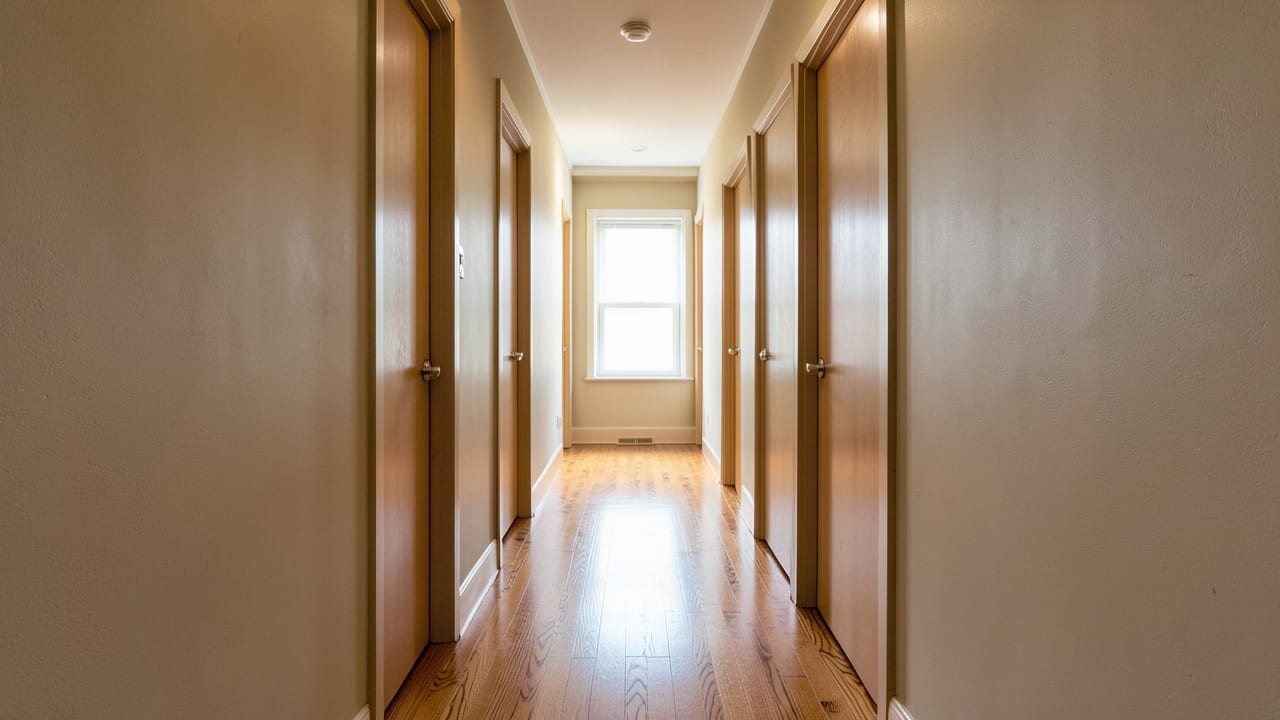
Hallway Mold Remediation in Agoura Hills, CA
Professional removal and treatment of mold growth in residential hallways.
Learn More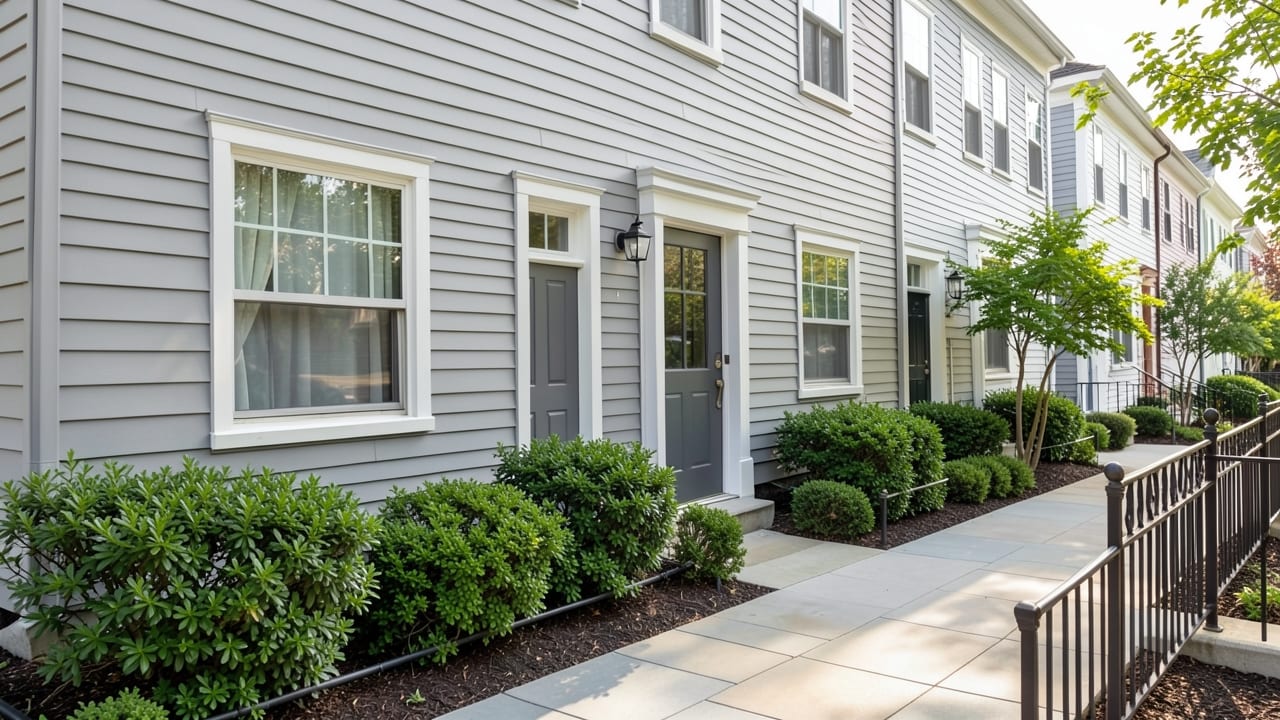
HOA Mold Remediation in Agoura Hills, CA
Professional mold removal and remediation for HOA properties to restore safe, healthy living conditions.
Learn More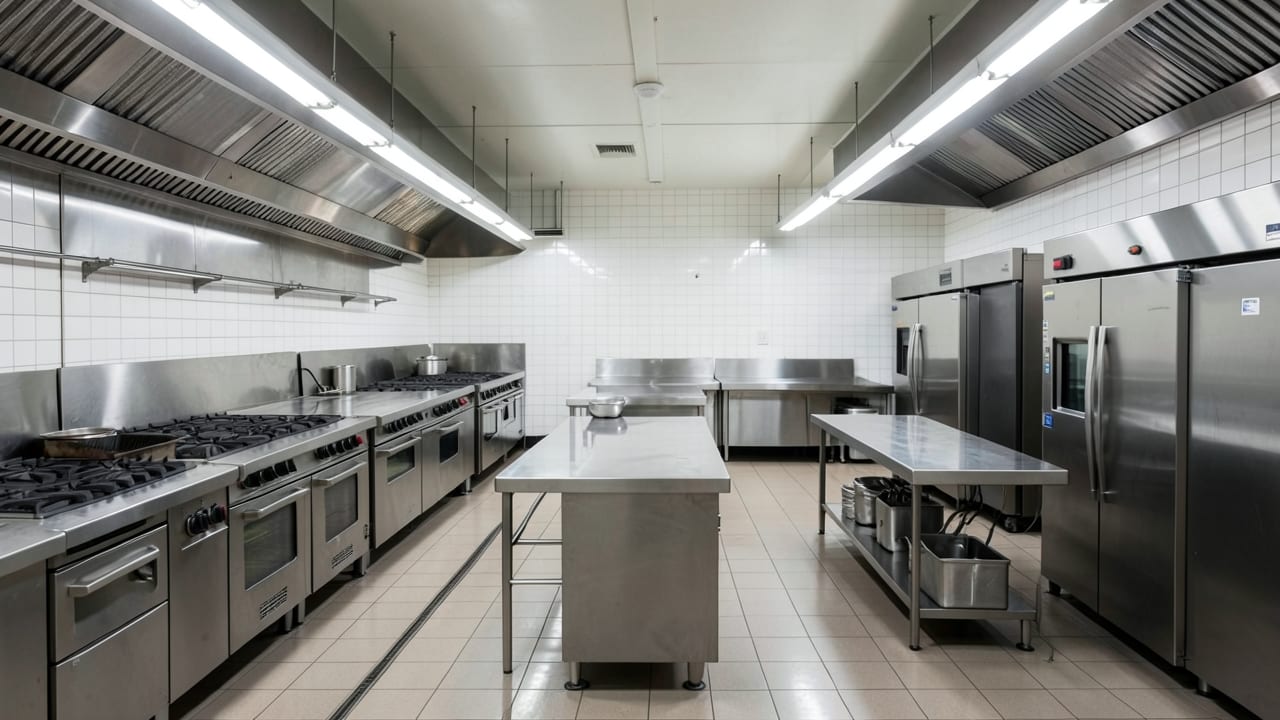
Restaurant Mold Remediation in Agoura Hills, CA
Professional mold removal and remediation for restaurant spaces to ensure safety and compliance.
Learn MoreCommon Questions About Mold Remediation in Agoura Hills
Everything you need to know about mold remediation services in Agoura Hills
How much does Wood Furniture Mold Remediation typically cost in Agoura Hills, CA?
Does coastal humidity around Agoura Hills, CA change how mold risk is assessed?
Does homeowners insurance typically cover mold remediation?
Is black mold actually more dangerous than other mold types?
How long does a typical mold remediation job take?
Is it safe to stay in the home during mold remediation?
Need Mold Remediation in Agoura Hills?
Connect with local providers in Agoura Hills for a detailed quote.
⏰ We answer your call • Serving all of Agoura Hills and surrounding areas