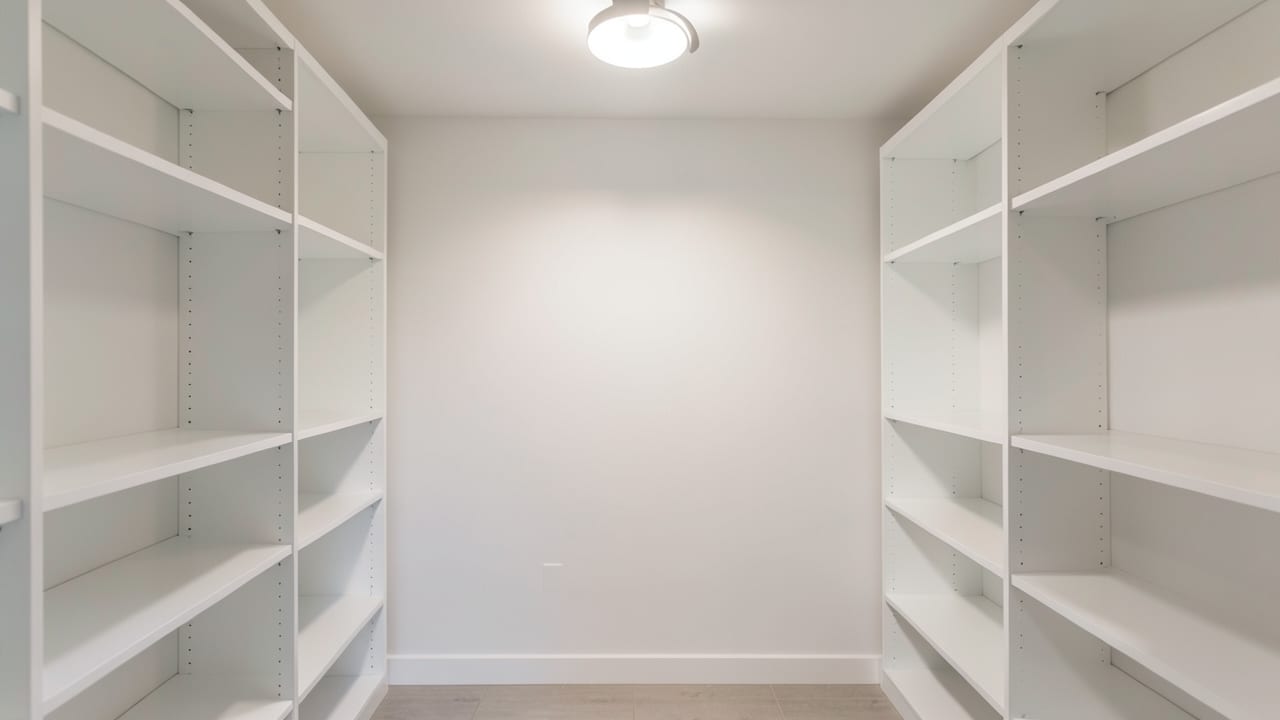
Closet Mold Cleanup
Professional cleanup and removal of mold from closets to restore safe, healthy spaces.
Closet mold cleanup in Agoura Hills targets hidden growth in enclosed spaces where moisture lingers—walls, shelves, and stored items. Unlike surface wipes, professional remediation includes containment, HEPA filtration, and moisture control to prevent spores from spreading or returning.
California law requires licensed contractors for jobs over $500, and proper cleanup follows strict containment and testing protocols to ensure safety and effectiveness.
We also handle Stairwell Mold Remediation and Balcony Mold Cleanup for Agoura Hills properties.
When to call for closet mold cleanup
Mold in closets often starts small but spreads quickly in damp, enclosed spaces. Visible growth covering more than a few square feet, recurring mold after cleaning, or a musty smell with no visible source are clear signs professional remediation is needed.
In California, any mold patch larger than 25 contiguous square feet requires a licensed contractor by law.
Hidden moisture sources—like leaks behind walls, poor ventilation, or outdoor grading issues—fuel regrowth. A professional inspection identifies these root causes before cleanup begins, ensuring the problem doesn’t return within months. Skipping this step often leads to repeated mold outbreaks in the same spot.
Signs Your Closet Mold Needs Professional Help
- Mold covers more than 25 square feet (California’s threshold for DIY cleanup).
- The same spot keeps growing back after cleaning with store-bought solutions.
- You smell mustiness but can’t find visible mold—growth may be inside walls or under flooring.
- The HVAC system worsens the smell, suggesting spores are circulating through ducts.
- You’ve tried cleaning but the area stays damp, or condensation forms on walls/shelves.
What affects cost and timeline
Pricing for closet mold cleanup in Agoura Hills depends on the size of the affected area, the type of mold (e.g., black mold adds 15–25% to costs), and whether hidden moisture sources require repairs.
Containment, HEPA filtration, and clearance testing are standard but often priced separately—always confirm these are included in any quote.
Timelines vary based on containment setup, drying time (industrial dehumidifiers may run for days), and whether structural repairs (e.g., replacing drywall) are needed. Jobs typically take 2–5 days from start to clearance testing, but complex cases may extend longer.
What to watch for in a quote
Not all quotes cover the same work—some exclude containment, clearance testing, or moisture-source repairs. A lowball estimate might skip critical steps, leading to higher costs later if spores spread or regrow.
Always ask for a written scope detailing square footage, materials involved, and whether a third-party lab verifies clearance after work.
Red flags include verbal-only estimates, pressure to sign during the inspection, or upfront payment demands. Legitimate contractors provide itemized breakdowns and confirm California contractor licensing (CSLB) for jobs over $500.
Avoid bids that lump remediation and prevention into one price—fixing the moisture source is just as critical as removing the mold.
No written scope of work, no mention of clearance testing, or a bid far below others for the same square footage often mean corners were cut. Always verify the contractor’s CSLB license number directly with the California Contractors State License Board.
How closet mold cleanup works
Professional remediation follows strict containment and safety protocols to eliminate mold and prevent recurrence.
- 1Containment Setup
Plastic sheeting and negative-air machines seal the closet off from the rest of the home, trapping spores during removal. Doors stay closed, and airflow is directed outward to prevent cross-contamination.
- 2Removal and Cleaning
Porous materials (drywall, insulation) with deep mold growth are cut out and bagged. Non-porous surfaces (tile, metal framing) are scrubbed with antimicrobial solutions. HEPA vacuums and air scrubbers run continuously to capture airborne spores.
- 3Structural Drying
Industrial dehumidifiers and air movers dry framing and subfloors to normal moisture levels (below 60% relative humidity) before containment is removed. Damp wood or materials left untreated will regrow mold within weeks.
- 4Clearance Testing
An independent lab tests air or surfaces for remaining spores. Only after spore counts return to normal levels is containment removed, and the area considered safe for reoccupation.
Frequently asked questions
Can I clean small closet mold myself, or should I hire a professional?
For patches under 25 square feet, California allows DIY cleanup with bleach or vinegar solutions. However, if mold keeps returning or you smell it but can’t see it, hidden moisture or structural growth likely requires professional containment, drying, and testing to prevent spread.
Will my insurance cover closet mold cleanup?
Most homeowners’ policies cover mold remediation if it stems from a covered peril (e.g., burst pipes, roof leaks). Document the issue with photos, note the source of moisture, and file a claim before cleanup—insurers often require professional remediation for claims over $1,000.
How do I know if my closet’s mold is coming from inside the walls or just surface growth?
Surface mold appears fuzzy or discolored on shelves or walls, while hidden growth often causes musty smells, peeling paint, or warped wood. If you see condensation on walls or floors, or if mold reappears after cleaning, moisture is likely trapped in the structure—requiring professional inspection and repairs.
Do I need to move out during closet mold cleanup?
Not usually. Proper containment keeps spores from spreading to other areas, and HEPA filtration ensures air quality remains safe. However, if the mold is severe or the closet is centrally located (e.g., near bedrooms), the crew may recommend temporary relocation for comfort.
Where Agoura Hills sits, and what the Census lists nearby
Agoura Hills sits in California, and the closest places listed in the U.S. Census Gazetteer are Oak Park (2.5 miles north), Westlake Village (3.2 miles west), Calabasas (5.7 miles east), Hidden Hills (6 miles east).
Within 25 miles of Agoura Hills the same source lists 35 distinct incorporated places and census-designated places.
Those figures matter for closet mold cleanup because they are straight-line distances between Census coordinate points: road mileage between Agoura Hills and Oak Park runs longer than the 2.5 miles shown, which is why quotes for the same job differ between towns that look close together on a map.
Source: U.S. Census Bureau Gazetteer.
See Stevenson Ranch, CA for more, or discover our full Agoura Hills-area coverage by service type for our complete lineup.
Ready to get started?
Talk to a local mold remediation pro in Agoura Hills — get a written quote.
Other Mold Remediation Services in Agoura Hills
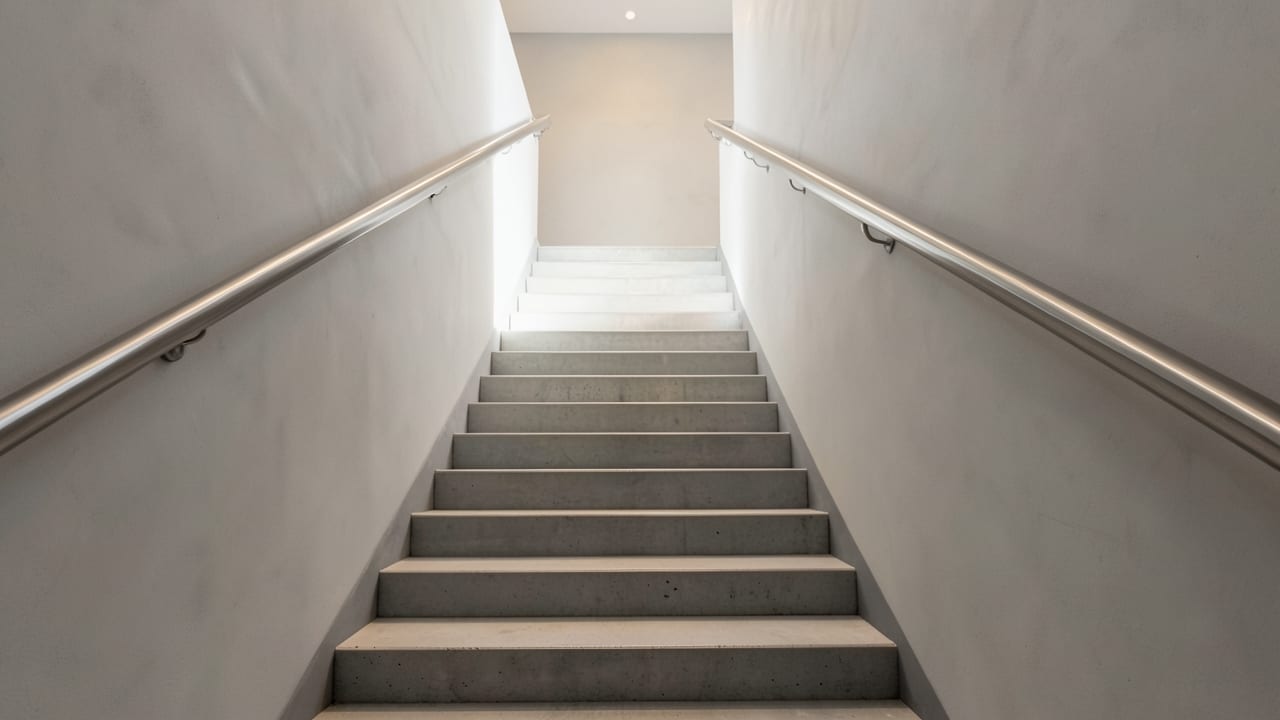
Stairwell Mold Remediation in Agoura Hills, CA
Professional mold removal and prevention in stairwells to restore safe, clean spaces.
Learn More
Balcony Mold Cleanup in Agoura Hills, CA
Professional removal and treatment of mold growth on balconies and adjacent structures.
Learn More
Hallway Mold Remediation in Agoura Hills, CA
Professional removal and treatment of mold growth in residential hallways.
Learn More
HOA Mold Remediation in Agoura Hills, CA
Professional mold removal and remediation for HOA properties to restore safe, healthy living conditions.
Learn More
Restaurant Mold Remediation in Agoura Hills, CA
Professional mold removal and remediation for restaurant spaces to ensure safety and compliance.
Learn More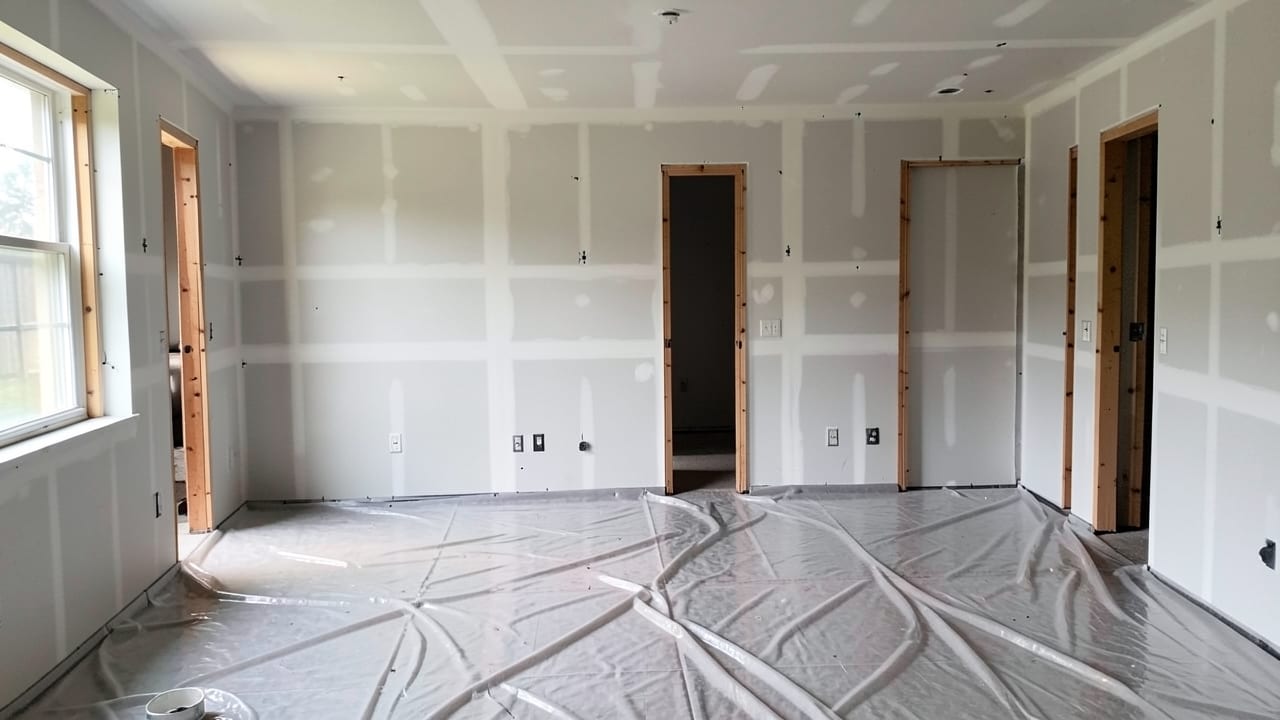
New Construction Mold Remediation in Agoura Hills, CA
Professional mold removal and prevention in newly built homes to ensure safe, clean living spaces.
Learn MoreCommon Questions About Mold Remediation in Agoura Hills
Everything you need to know about mold remediation services in Agoura Hills
How much does Closet Mold Cleanup typically cost in Agoura Hills, CA?
Does coastal humidity around Agoura Hills, CA change how mold risk is assessed?
Is black mold actually more dangerous than other mold types?
How long does a typical mold remediation job take?
Is it safe to stay in the home during mold remediation?
Can small mold problems be handled without hiring anyone?
Need Mold Remediation in Agoura Hills?
Connect with local providers in Agoura Hills for a detailed quote.
⏰ We answer your call • Serving all of Agoura Hills and surrounding areas