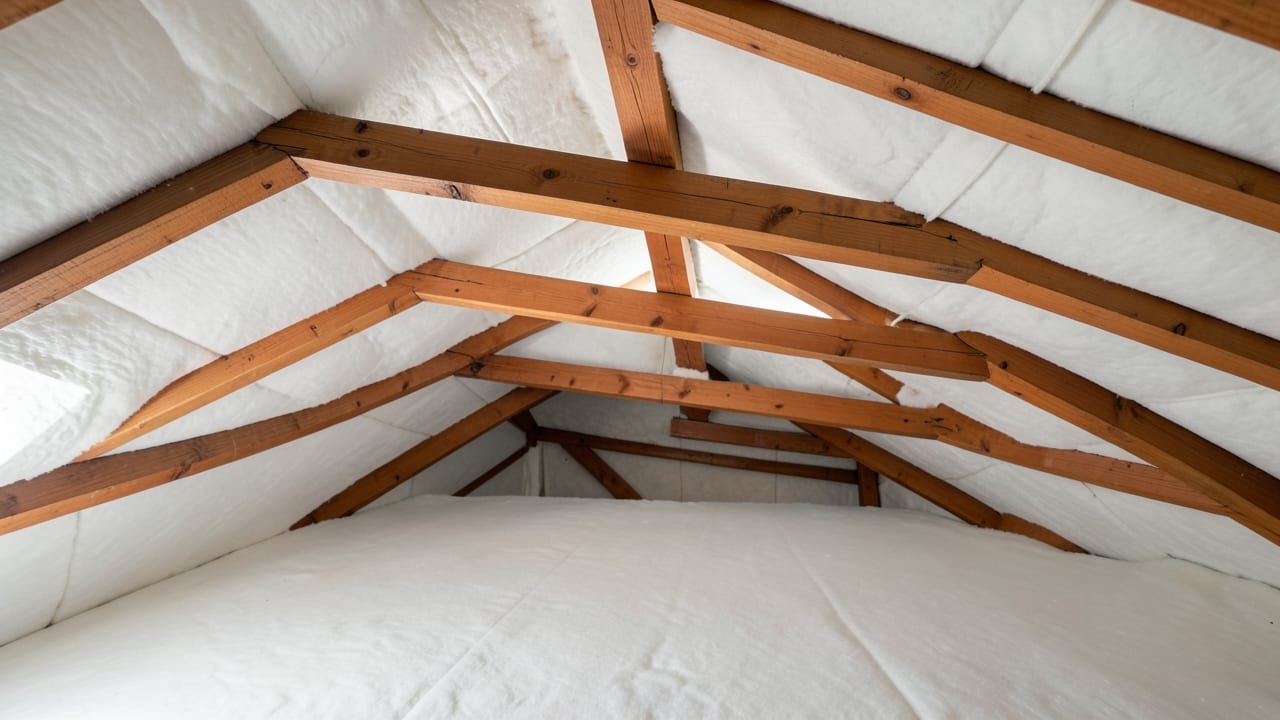
Roof Leak Mold Remediation
Professional removal of mold caused by roof leaks to restore a safe, healthy home environment.
Roof leaks in Agoura Hills homes can lead to hidden mold growth when water seeps into attics, ceilings, or walls.
Since mold spreads quickly and can damage structural materials, professional roof leak mold remediation focuses on containment, removal, and fixing the moisture source to help prevent regrowth—critical steps that go beyond surface cleaning.
We also handle New Construction Mold Remediation and Gym Mold Remediation for Agoura Hills properties.
When roof leak mold needs professional help
Mold from a roof leak often starts small but can become widespread if ignored. In Agoura Hills, where humidity and coastal weather create ideal conditions for mold, knowing when to call for professional remediation is key.
Growth covering more than a few square feet, recurring mold in the same spot after cleaning, or a musty smell with no visible source are clear signs the problem may be beyond DIY solutions.
Hidden mold—behind walls, under flooring, or inside HVAC ducts—can spread spores throughout your home if disturbed without proper containment. A professional assessment helps determine whether the mold is isolated or systemic, ensuring the right approach is taken to address both the contamination and the leak itself.
Signs Your Roof Leak Mold Needs Professional Remediation
- Mold covers more than 25 contiguous square feet (a common threshold for professional work in California).
- The mold keeps returning in the same spot after cleaning, suggesting an unresolved moisture source.
- You notice a musty smell with no visible mold, which may indicate hidden growth in walls or ducts.
- The affected area includes structural materials (e.g., framing, insulation) that cannot be safely cleaned without containment.
What affects pricing and timing for roof leak mold work
The cost of roof leak mold remediation in Agoura Hills depends on the size of the affected area, the type of mold, and the extent of water damage. Pricing also varies based on whether the job includes containment, structural drying, and clearance testing—steps that are essential but often quoted separately.
Timing depends on the scope: larger jobs or those requiring wall removal take longer to complete safely.
Hidden mold or extensive water damage may uncover additional repairs, such as fixing the roof leak itself or replacing compromised materials. These factors can influence both the upfront estimate and the total project cost, which is why a detailed scope of work is critical before starting.
Why containment and testing matter
Containment prevents mold spores from spreading to unaffected areas during remediation. Plastic sheeting and negative-air machines create a sealed workspace, while HEPA-filtered equipment captures spores that would otherwise circulate. Skipping these steps can turn a contained job into a larger, more costly cleanup.
Clearance testing—conducted by an independent third party—confirms that spore levels return to normal after remediation. Without this step, there’s no way to verify whether the job fully resolved the contamination, increasing the risk of regrowth.
Using non-HEPA vacuums or air scrubbers recirculates spores instead of capturing them. Paying upfront without a written scope leaves no recourse if work isn’t completed as promised. Signing a contract during the same visit as the inspection may skip the chance to compare bids or clarify details.
How roof leak mold remediation works
Professional remediation follows strict steps to safely remove mold and prevent regrowth.
- 1Containment Setup
Plastic sheeting and negative-air machines seal off the work area to trap spores. This prevents cross-contamination while materials are removed or cleaned.
- 2Material Removal or Cleaning
Porous materials like drywall and insulation, which absorb mold, are cut out and bagged. Non-porous surfaces are scrubbed and treated to kill remaining spores.
- 3Structural Drying
Industrial dehumidifiers and air movers dry framing and subfloors to normal moisture levels, as damp wood encourages mold regrowth even after visible traces are gone.
- 4HEPA Filtration and Cleanup
HEPA air scrubbers run continuously during the job, and surfaces are vacuumed with HEPA equipment to ensure spores are captured, not released back into the air.
- 5Clearance Testing
An independent lab tests air or surfaces post-remediation to confirm spore counts are back to normal before containment is removed.
Frequently asked questions
How do I know if my roof leak mold is dangerous enough to need professional help?
If the mold covers more than a small, isolated patch (e.g., 25+ square feet), keeps returning after cleaning, or you notice a musty smell with no visible source, it’s likely beyond DIY solutions and requires professional containment and removal.
Will fixing the roof leak alone stop the mold from coming back?
Fixing the leak is essential, but mold remediation also requires removing contaminated materials and drying structural components. Without both steps, hidden moisture can lead to regrowth even after the leak is repaired.
Do I need to be home during the remediation process?
You typically don’t need to stay, but it’s best to avoid the area until containment is removed and clearance testing confirms the space is safe. Some crews provide instructions for pets or family members to stay out of the treated zone.
How long does it take to complete roof leak mold remediation?
Smaller jobs may take a day, while larger or complex remediations—especially those involving wall or ceiling removal—can take several days. Structural drying and testing add time to ensure the work is thorough.
Where Agoura Hills sits, and what the Census lists nearby
Agoura Hills sits in California, and the closest places listed in the U.S. Census Gazetteer are Oak Park (2.5 miles north), Westlake Village (3.2 miles west), Calabasas (5.7 miles east), Hidden Hills (6 miles east).
Within 25 miles of Agoura Hills the same source lists 35 distinct incorporated places and census-designated places.
Those figures matter for roof leak mold remediation because they are straight-line distances between Census coordinate points: road mileage between Agoura Hills and Oak Park runs longer than the 2.5 miles shown, which is why quotes for the same job differ between towns that look close together on a map.
Source: U.S. Census Bureau Gazetteer.
See Thousand Oaks, CA for more, or take a look at how our Agoura Hills crew can help for our complete lineup.
Ready to get started?
Talk to a local mold remediation pro in Agoura Hills — get a written quote.
Other Mold Remediation Services in Agoura Hills
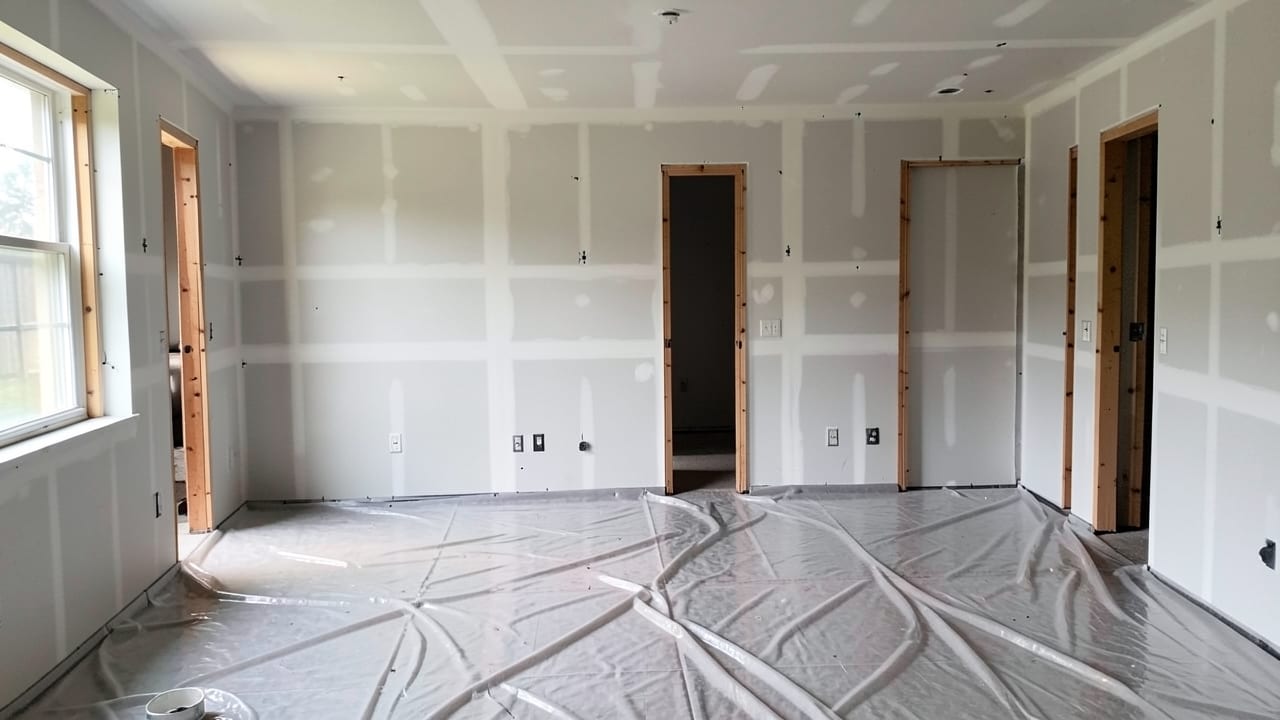
New Construction Mold Remediation in Agoura Hills, CA
Professional mold removal and prevention in newly built homes to ensure safe, clean living spaces.
Learn More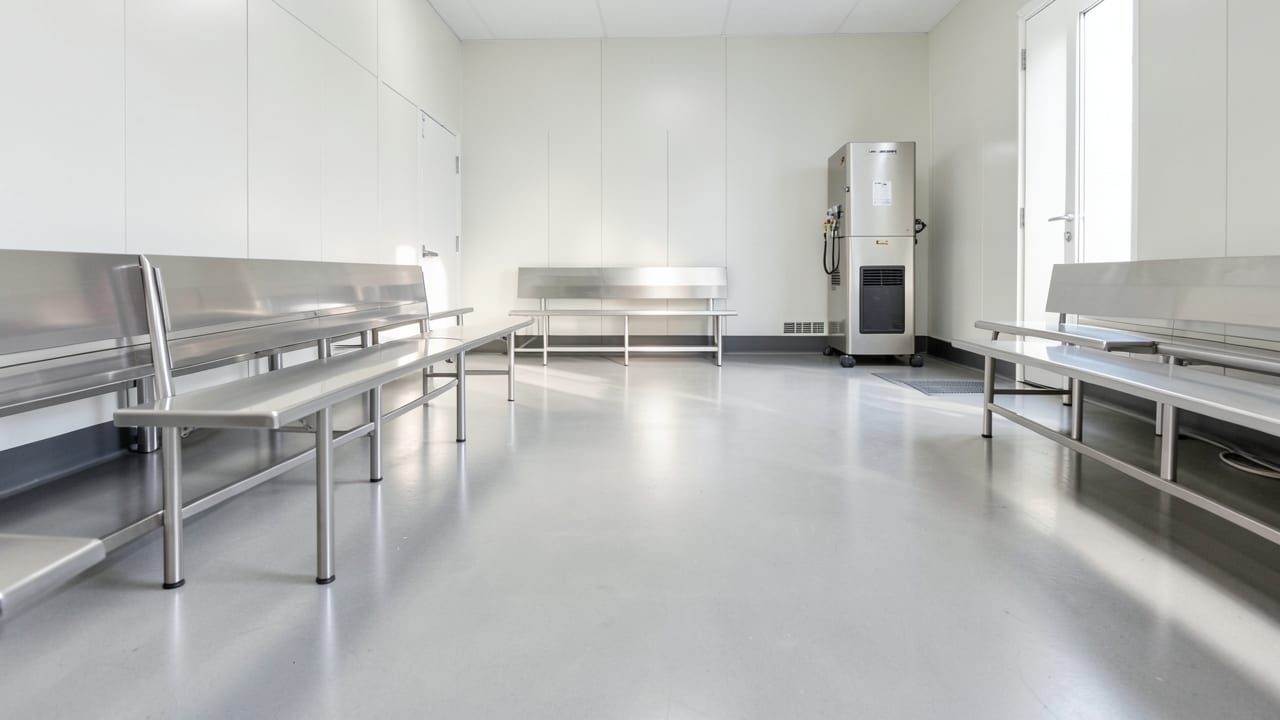
Gym Mold Remediation in Agoura Hills, CA
Professional removal and treatment of mold in gyms to restore safe, clean environments.
Learn More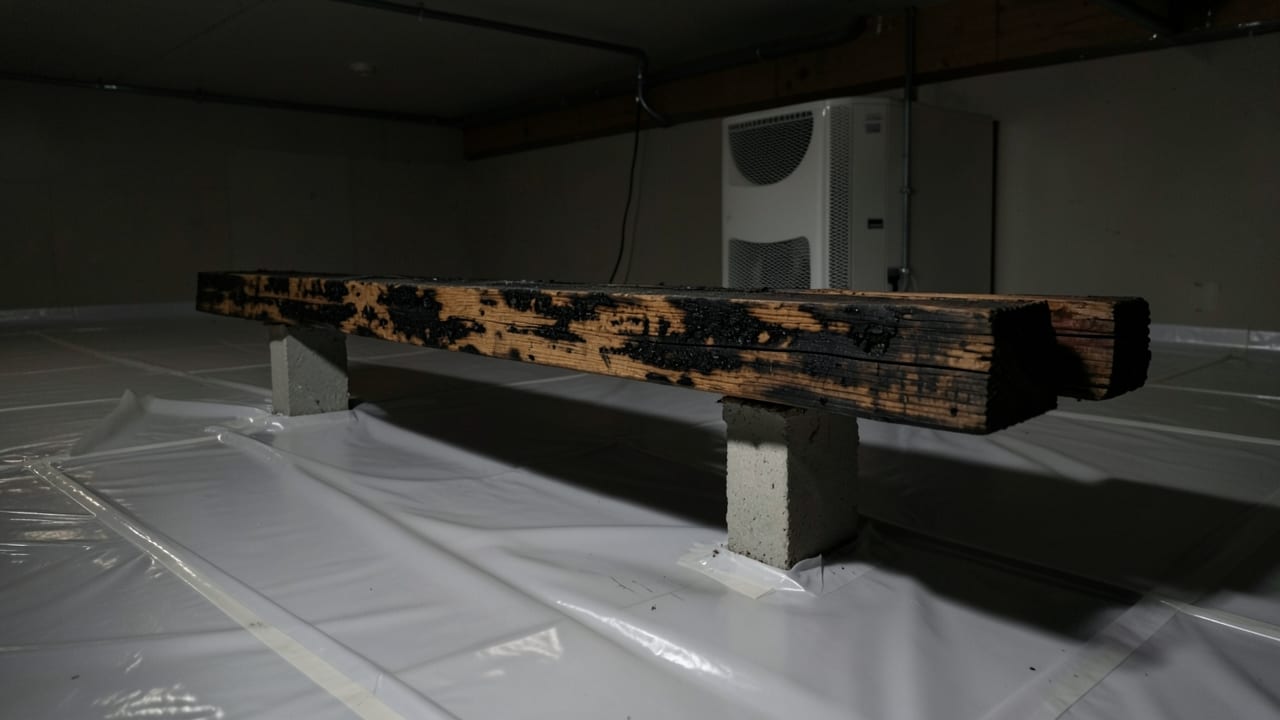
Fire Smoke Mold Remediation in Agoura Hills, CA
Professional cleanup and restoration of fire, smoke, and mold damage in homes.
Learn More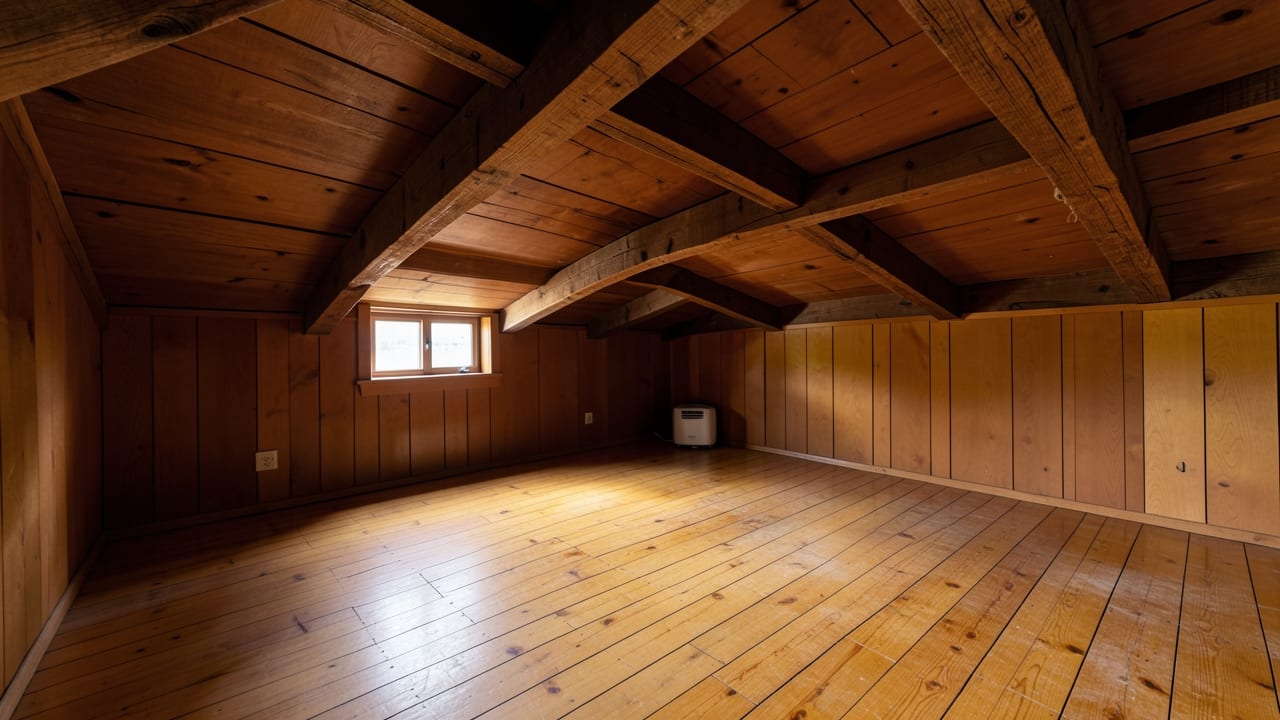
Salt Air Mold Remediation in Agoura Hills, CA
Professional mold assessment, containment, removal, and prevention in affected areas of the home.
Learn More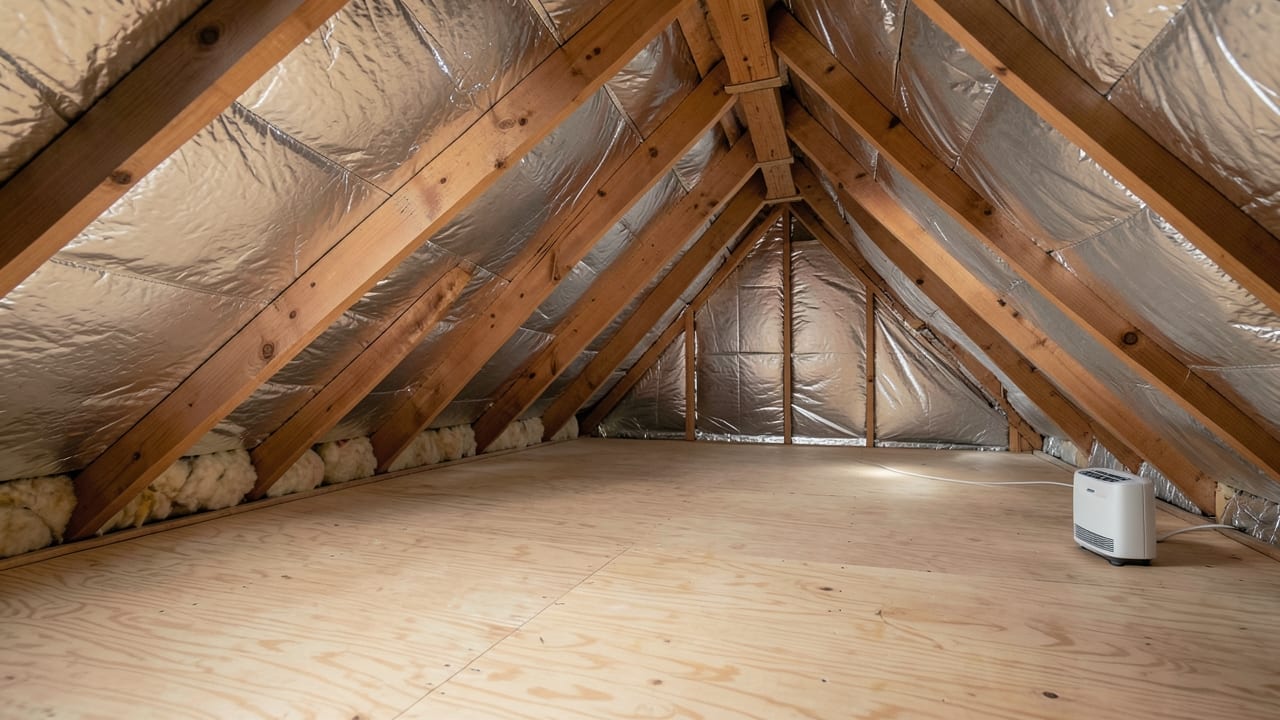
Pre-Winter Mold Prevention in Agoura Hills, CA
Pre-winter mold prevention involves inspection and treatment to stop mold growth before cold weather.
Learn More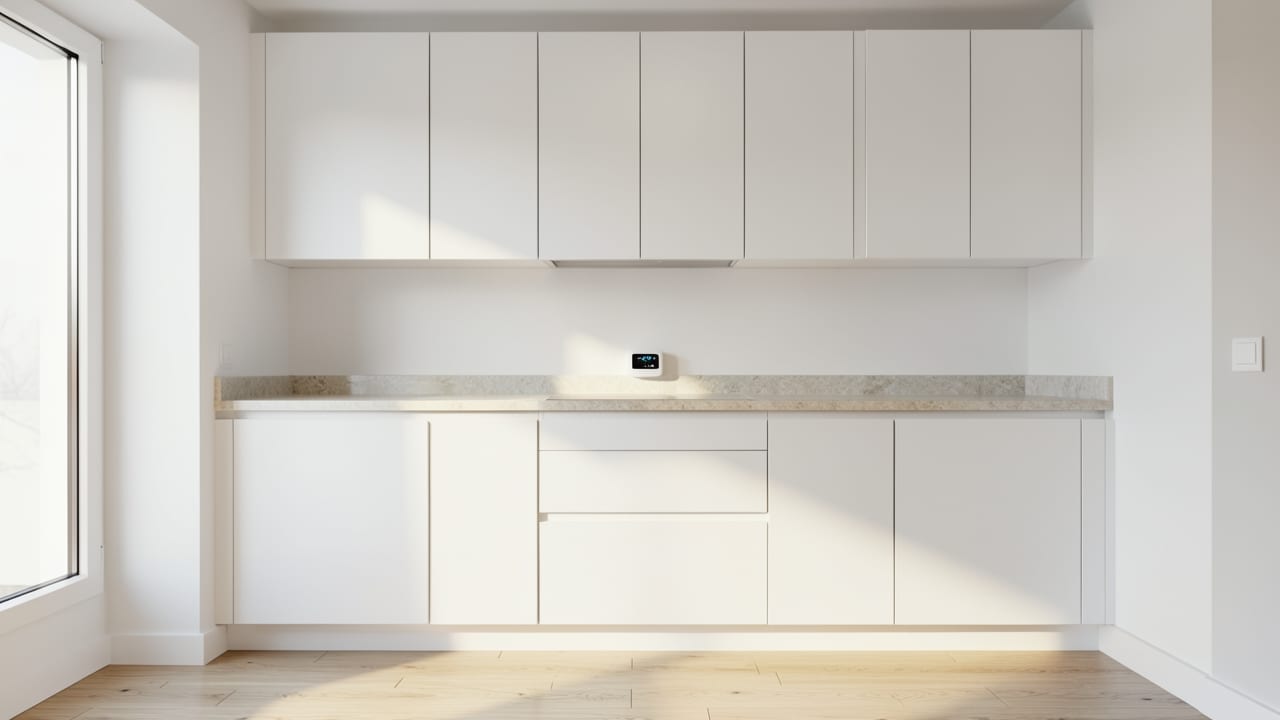
Move-In Mold Assessment in Agoura Hills, CA
Professional inspection and assessment of mold presence before moving into a property.
Learn MoreCommon Questions About Mold Remediation in Agoura Hills
Everything you need to know about mold remediation services in Agoura Hills
How much does Roof Leak Mold Remediation typically cost in Agoura Hills, CA?
Does coastal humidity around Agoura Hills, CA change how mold risk is assessed?
Is a final clearance test part of a typical mold remediation job?
How does mold remediation actually prevent the problem from coming back?
Can mold growing inside HVAC ductwork spread to the rest of a home?
Does mold mean the same thing as mildew?
Need Mold Remediation in Agoura Hills?
Connect with local providers in Agoura Hills for a detailed quote.
⏰ We answer your call • Serving all of Agoura Hills and surrounding areas